Sanitary Pads and Dignity
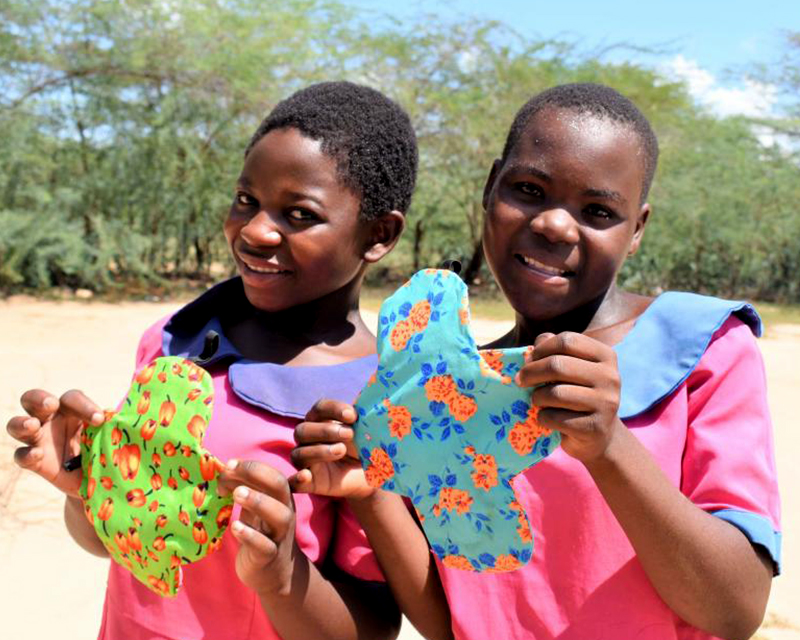
Access to sanitary pads is more than a health issue — it is a matter of dignity, equality, and opportunity. For many marginalized girls in rural areas, menstruation remains a monthly struggle that affects school attendance, self-esteem, and overall well-being.
Girl empowerment cannot be fully achieved if basic menstrual hygiene needs are unmet. Addressing period poverty through reliable access to sanitary pads is a powerful step toward ensuring that every girl has the confidence, safety, and freedom to pursue her dreams.
Understanding Period Poverty in Rural Communities
Period poverty refers to the lack of access to menstrual products, sanitation facilities, waste management, and education about menstrual health. For marginalized girls in rural areas, this challenge is often intensified by poverty, limited infrastructure, and cultural taboos surrounding menstruation.
In many rural settings, sanitary pads are either unavailable in local shops or sold at prices that families cannot consistently afford. When household income must prioritize food, school fees, and basic utilities, menstrual products are often Sanitary Pads and Dignity considered secondary. Unfortunately, the consequences of this trade-off fall squarely on young girls.
Without proper sanitary pads, girls may use unsafe alternatives such as old rags, newspapers, or other improvised materials. These options are not only uncomfortable but can also increase the risk of infections and long-term reproductive health complications.
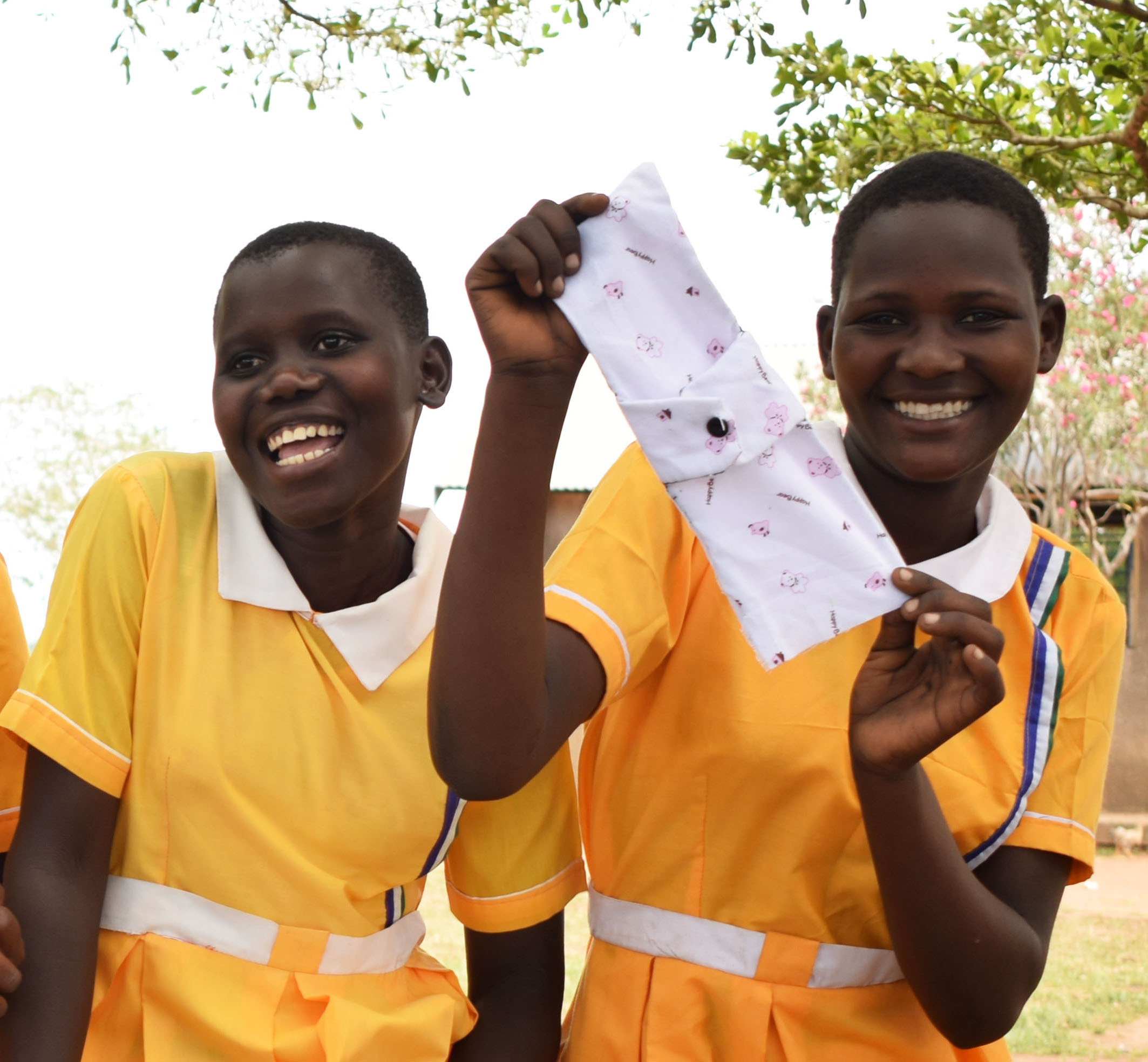
Image taken from
The Impact on Education
Education is one of the most powerful tools for breaking cycles of poverty. However, marginalized girls in rural areas often miss up to three to five days of school each month due to lack of sanitary pads. Over time, this translates into significant learning gaps.
Repeated absenteeism can result in:
-
Lower academic performance
-
Reduced participation Sanitary Pads and Dignity in classroom activities
-
Increased likelihood of dropping out
-
Early marriages due to limited educational progression
When a girl falls behind academically, her confidence may decline. She may feel embarrassed, isolated, or ashamed — emotions that further affect her Sanitary Pads and Dignity engagement in school. Providing sanitary pads ensures that menstruation does not become a barrier to academic success.
Health and Hygiene: A Critical Component of Empowerment
Access to quality sanitary pads plays a crucial role in maintaining menstrual hygiene. Clean, safe products reduce the risk of infections and promote overall reproductive health.
However, sanitary pads alone are not enough. Marginalized girls in rural areas also need access to:
-
Clean water
-
Private sanitation facilities
-
Proper disposal systems
When these elements are combined, girls can manage their periods safely and confidently. This comprehensive approach strengthens both their physical health and emotional well-being.

image rysfsh
Challenging Cultural Stigma
In many communities, menstruation is still surrounded by silence and stigma. Girls are often taught that periods are shameful or something to hide. This lack of open dialogue prevents them from seeking help or asking questions.
Empowering marginalized girls in rural areas requires breaking this silence. Community sensitization programs, school-based education sessions, and parental engagement can normalize conversations about menstruation. When boys, fathers, teachers, and community leaders are included in these discussions, stigma begins to fade.
Sanitary pads then become what they truly are — essential health products, not taboo items.
Economic Empowerment Through Local Production
One sustainable solution is supporting the local production of affordable sanitary pads. Community-based manufacturing initiatives can:
-
Reduce the cost of Sanitary Pads and Dignity menstrual products
-
Create employment opportunities for women
-
Improve supply consistency in rural areas
-
Promote reusable and eco-friendly options
By investing in local solutions, communities not only address period poverty but also promote economic empowerment for women and families.
The Role of Schools and Policy Makers
Governments and policymakers play a critical role in ensuring access to sanitary pads for marginalized girls in rural areas. Policies that provide Sanitary Pads and Dignity free or subsidized menstrual products in public schools can dramatically improve attendance rates.
Schools can also establish “menstrual support corners” where girls can discreetly access sanitary pads and information. Teacher training on menstrual health ensures that girls receive support rather than judgment when they need assistance.
Advocacy efforts aimed at eliminating taxes Sanitary Pads and Dignity on menstrual products further reduce financial barriers and reinforce the idea that sanitary pads are necessities, not luxuries.
How You Can Make a Difference
Addressing the lack of sanitary pads requires collective effort. Individuals, organizations, and communities can contribute by:
-
Donating sanitary pads to rural schools
-
Sponsoring menstrual health awareness programs
-
Partnering with NGOs working with marginalized girls in rural areas
-
Supporting initiatives that promote reusable sanitary pads
-
Advocating for policy reforms on menstrual health
Even small contributions can have a significant ripple effect in a girl’s life.
Conclusion: Restoring Dignity, Unlocking Potential
Sanitary pads are not simply hygiene products — they are tools of empowerment. For marginalized girls in rural areas, access to sanitary pads can determine whether they remain in school, maintain their health, and build confidence in themselves.
When we invest in menstrual health, we invest in education, equality, and economic growth. We restore dignity and create opportunities for girls to thrive.
Empowering girls begins with meeting their basic needs. Sanitary Pads and Dignity Ensuring consistent access to sanitary pads is a simple yet transformative step toward a future where every girl, regardless of where she lives, can reach her full potential.


